
For business owners in the health and wellness sector, the decision of where to manufacture a product is as critical as the formulation itself. Whether you are launching a premium anti-aging supplement or a mass-market multivitamin, the choice between Japan vs Indonesia for supplement manufacturing will dictate your brand’s price point, regulatory path, and consumer trust level.
In this guide, we evaluate the strategic pros and cons of both regions to help you align your production choice with your long-term business goals.
Why Choosing the Right Manufacturing Country Matters
Impact on Product Quality and Brand Perception
In the supplement industry, your "Made In" label is a core part of your marketing. Japan carries a legacy of precision and safety, often allowing brands to command a premium price. Manufacturing in Indonesia, conversely, signals local relevance and accessibility, which is vital for winning the trust of the burgeoning domestic middle class.
Cost vs. Value in Supplement Manufacturing
The supplement manufacturing cost in Japan vs Indonesia is not just about the unit price. It involves a calculation of "Total Cost of Ownership," including import duties, shipping, and the cost of regulatory delays. While Japan may have higher initial production costs, the reduced risk of quality failure can provide better long-term value.
Long-term Business Implications
Choosing a manufacturing partner is a multi-year commitment. A mismatch between your market (e.g., high-end luxury wellness) and your manufacturing base (e.g., low-cost bulk facility) can lead to brand dilution and difficulty in scaling internationally.
Overview of Supplement Manufacturing in Japan
High-Quality Standards and GMP Compliance
Japan’s health supplement industry is governed by some of the world’s strictest standards. Benefits of Japan supplement manufacturing include rigorous Good Manufacturing Practice (GMP) certifications that often exceed international requirements. This ensures every batch is consistent, potent, and free from contaminants.
Advanced Technology and R&D Capabilities
Japanese facilities are at the forefront of "Bioavailability" technology—ensuring the body actually absorbs the nutrients. From specialized Ball-form technique to unique raw material processing, Japan offers R&D capabilities that are difficult to replicate elsewhere in Asia.
Strong Global Reputation (“Made in Japan”)
The "Made in Japan" seal acts as a shortcut to trust. For businesses targeting Singapore, the Middle East, or premium segments in Indonesia, this label reduces the "education gap" needed to convince customers of the product's safety.
Overview of Supplement Manufacturing in Indonesia
Cost Advantages and Local Production Benefits
Manufacturing locally in Indonesia significantly reduces overhead. By avoiding the high import taxes (often exceeding 10-20% for finished goods) and international freight costs, brands can maintain healthier margins while offering competitive retail prices.
Easier Distribution Within the Domestic Market
Products made within Indonesia bypass the complex "Import License" hurdles that foreign-made products face. This allows for a more agile supply chain and faster restocking of popular SKUs.
Local Regulatory Alignment
Indonesia is currently in a transition phase. As of October 2026, mandatory Halal certification will be required for all supplements entering or circulating in the country. Local manufacturers are often more "plugged in" to these evolving BPOM (Indonesian FDA) requirements and the Halal Product Assurance Agency (BPJPH).
Key Differences: Japan vs. Indonesia Manufacturing
| Feature | Japan (OEM/ODM) | Indonesia (Local OEM) |
| Quality Perception | Ultra-Premium / Medical Grade | Emerging / Accessible |
| Cost Per Unit | Higher (JPY-based labor/tech) | Lower (Local labor/logistics) |
| MOQ (Minimum Order) | Moderate to High | Typically Lower & Flexible |
| Regulatory Path | Requires Import Permit & BPOM ML | Requires BPOM MD (Simpler) |
| Technology | Advanced (Nanotech, Time-release) | Standard (Tablets, Capsules) |
When to Choose Japan for Manufacturing
-
Premium Brand Positioning: If your target audience is the affluent urban demographic willing to pay for "the best," Japan is the logical choice.
-
Export-Oriented Business: If you plan to sell in multiple countries, a Japan-made product is easier to register in global markets due to recognized safety data.
-
Complex Formulations: For specialized ingredients (like NMN, or high-purity collagen), Japanese R&D is unmatched.
When to Choose Indonesia for Manufacturing
-
Cost-Sensitive Models: If you are competing on price in the mass market (e.g., standard Vitamin C or herbal "Jamu" blends).
-
Local Market Focus: If 90% of your sales are through local marketplaces like Tokopedia or Shopee.
-
Faster Time-to-Market: Local production can often get a product from concept to shelf faster by skipping the international shipping and customs bottlenecks.
Hybrid Approach: Combining Japan Quality with Local Strategy
At Umeken Indonesia, we often recommend a hybrid model for our clients. This involves:
-
Manufacturing in Japan: Utilizing Japan’s GMP facilities for the core product to ensure top-tier quality.
-
Strategic Importation: Leveraging our expertise to navigate BPOM (ML) and Halal certification to bring those Japanese products into the Indonesian market legally and efficiently.
-
Local Distribution: Using local insights to market the "Japan Quality" while pricing it competitively through smart supply chain management.
Common Mistakes When Choosing Manufacturing Location
Focusing Only on Cost
A cheaper unit price in Indonesia might be negated by higher rejection rates or inconsistent ingredient potency, which can lead to costly BPOM recalls.
Ignoring Brand Positioning
A high-end anti-aging serum manufactured in a low-cost facility may struggle to convince consumers of its efficacy, regardless of the ingredients used.
Underestimating Regulatory Complexity (Halal 2026)
Many businesses fail to realize that by October 2026, your manufacturing site—whether in Japan or Indonesia—must be Halal-compliant to sell in Indonesia. Choosing a partner like Umeken, who understands the intersection of Japanese production and Indonesian Halal standards, is vital.
How to Choose the Right Manufacturing Strategy
-
Define Your Business Goals: Are you building a "legacy brand" or a "fast-fashion" supplement line?
-
Evaluate Target Customers: Does your customer value "Made in Japan" safety or "Made in Indonesia" affordability?
-
Select the Right Partner: Look for an OEM/ODM partner that offers consulting, not just a factory floor.
Conclusion: Align Manufacturing with Your Business Strategy
There is no "one-size-fits-all" answer to where to manufacture supplements in Asia. Japan offers world-class quality and prestige, while Indonesia offers cost-efficiency and local agility. The most successful brands are those that align their manufacturing location with their brand’s DNA and regulatory readiness.
Not Sure Which Option Is Best for You?
Navigating the complexities of OEM supplement Japan vs Indonesia can be overwhelming. At Umeken Indonesia, we act as your bridge between Japanese manufacturing excellence and the Southeast Asian market.
From formulation and Japan-based production to BPOM registration and Halal strategy, we help you make data-backed decisions that minimize risk and maximize profit.
Contact Umeken Indonesia today for a consultation on your supplement manufacturing strategy.
What is the primary health goal or "hero ingredient" of the supplement you are planning to launch?


Share:
Launching Your Health Brand: A Comprehensive Guide to OEM and ODM Services
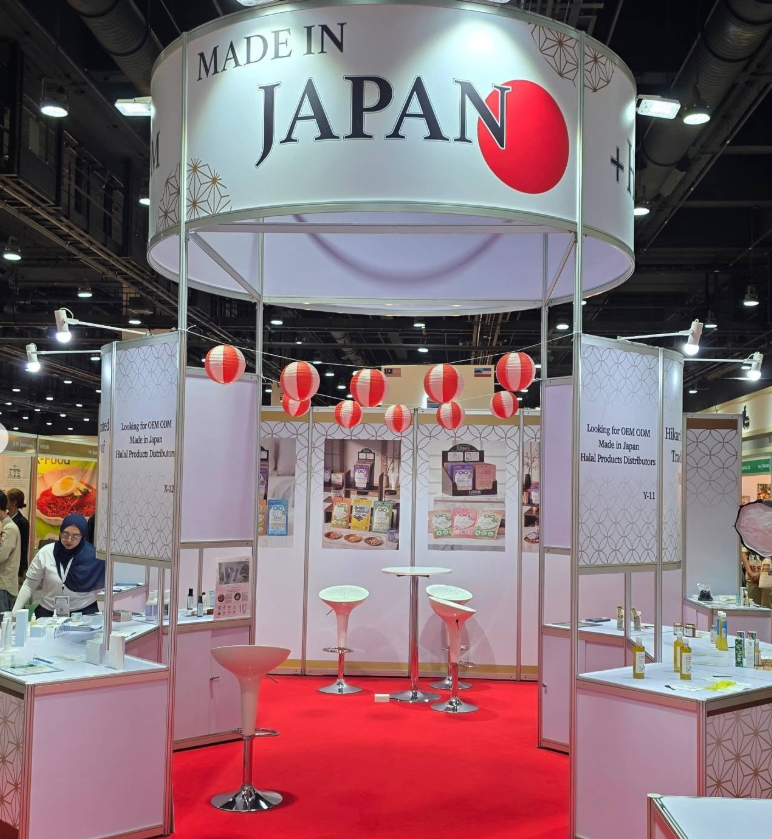
Umeken Offers Halal Health Food Supplements and Cosmetics at Mega Halal Bangkok 2026