
The Indonesian health and wellness market is currently undergoing a massive transformation. With a growing middle class and a heightened focus on preventive healthcare, the demand for high-quality dietary supplements has skyrocketed. However, entering this market requires more than just a great formula; it requires navigating complex regulations and high consumer expectations.
If you are looking to start a supplement business in Indonesia, this guide provides a strategic roadmap from initial concept to market entry.
Why Indonesia is a Growing Market for Supplements
Indonesia is the largest economy in Southeast Asia, and its supplement sector is projected to continue its steady growth. The shift from curative to preventive care—accelerated by global health trends—has created a "wellness-first" mindset among Indonesian consumers.
Choosing Product Type
The market is diverse. You must decide whether to focus on:
-
Vitamins and Minerals: Standard daily health support.
-
Herbal Supplements (Obat Tradisional): Leveraging Indonesia’s deep-rooted "Jamu" culture.
-
Beauty & Collagen: High demand among the urban demographic.
-
Sports Nutrition: A rapidly growing niche in metropolitan areas like Jakarta and Surabaya.
Identifying Your Target Customers
Understanding the Indonesian consumer is vital. Are you targeting the "conscious millennial" who values organic ingredients, or the "busy professional" looking for convenience? Your target audience will dictate your pricing, packaging, and even your registration category at BPOM.
Positioning Your Brand in the Market
With many local and international players, positioning is key. Brands that emphasize safety, origin, and efficacy tend to perform better. This is where "Japan Quality" or international manufacturing standards can serve as a significant competitive advantage.
Step 1: Define Your Supplement Product and Target Market
Before any manufacturing begins, you need a clear Brand Blueprint.
-
Niche Selection: Don't try to be everything to everyone. A specialized brand (e.g., "Japanese-formulated Prenatal Vitamins") often sees higher loyalty than a generic one.
-
Gap Analysis: Look at what is missing in the Indonesian market. Is there a lack of high-potency supplements or perhaps a need for better-tasting gummy vitamins?
-
Value Proposition: Why should a customer choose you over a long-standing local brand? Focus on superior ingredients or more advanced delivery systems (e.g., specialized encapsulation).
Step 2: Understand Regulations in Indonesia (BPOM & Halal)
The regulatory landscape in Indonesia is rigorous. Failure to comply can lead to product seizures or legal action.
Overview of BPOM Registration
All supplements must be registered with BPOM (Badan Pengawas Obat dan Makanan). You will need to obtain an Izin Edar (Distribution Permit). This process involves a detailed review of your ingredients, manufacturing process, and labeling.
Halal Certification Requirements (BPJPH)
As the world’s most populous Muslim-majority nation, Halal certification is no longer optional for those seeking mass-market success. Under recent Indonesian laws, most consumer goods, including supplements, must eventually be Halal certified by BPJPH.
Common Compliance Challenges
-
Prohibited Ingredients: Some ingredients allowed in the US or Europe may be restricted by BPOM.
-
Labeling Claims: BPOM is very strict about health claims. You cannot claim a supplement "cures" a disease.
-
Documentation: Overseas manufacturers must provide specific GMP (Good Manufacturing Practice) certifications recognized by the Indonesian government.
Step 3: Choose the Right Manufacturing Partner
Your manufacturer is the backbone of your business. You have two primary paths:
OEM vs. ODM Decision
-
OEM (Original Equipment Manufacturer): You provide the formula, and they manufacture it. Best if you have a unique, proprietary recipe.
-
ODM (Original Design Manufacturer): The manufacturer provides the formula and design based on your requirements. This is faster for brands looking to launch quickly.
Local vs. Overseas Manufacturing (Japan vs. Indonesia)
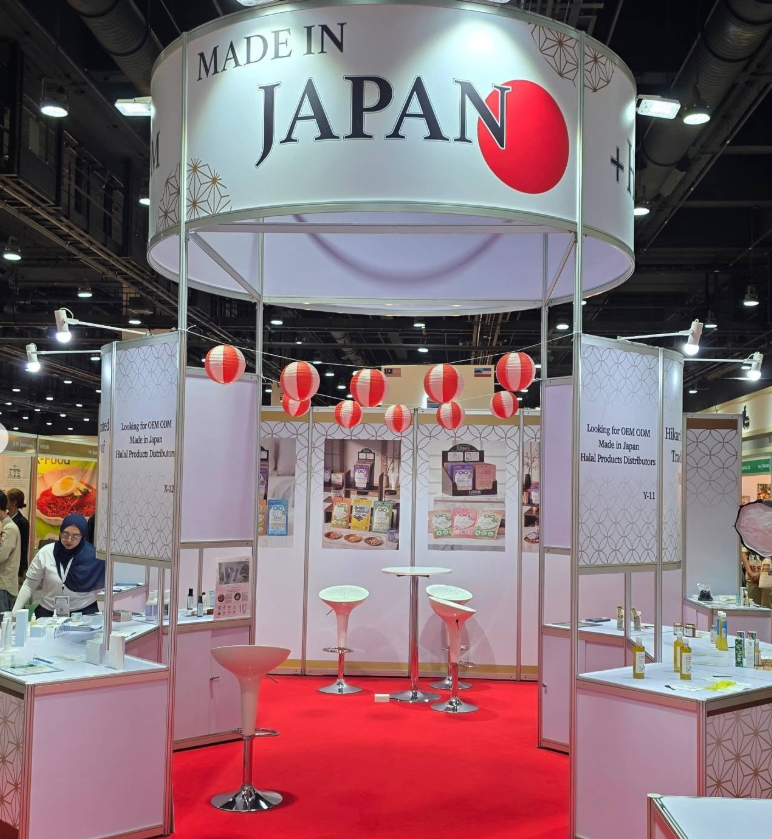
While local manufacturing can be cost-effective, manufacturing in Japan offers a level of prestige and trust that is highly valued in Indonesia. "Made in Japan" is synonymous with safety and high technology, allowing you to position your brand in the premium segment.
Key Factors When Selecting a Manufacturer
-
Certifications: Ensure they hold international GMP and ISO standards.
-
Experience in Indonesia: Do they understand BPOM requirements?
-
R&D Support: Can they help you optimize your formula for the tropical Indonesian climate?
Step 4: Product Development and Formulation
Creating Your Formula
Work with R&D experts to ensure your ingredients are stable and bioavailable. For the Indonesian market, stability is crucial due to high humidity levels.
Packaging and Branding Considerations
Packaging must be functional but also aesthetically pleasing. In Indonesia, "stick packs" or small sachets are popular for portability, while premium glass bottles are preferred for high-end anti-aging supplements.
Quality and Safety Standards
Strict heavy metal testing and microbial analysis are mandatory. Using a Japanese manufacturer ensures these standards are met at the highest level, reducing the risk of rejection during BPOM testing.
Step 5: Cost Breakdown and Budget Planning
Starting a supplement business requires careful financial planning.
| Expense Category | Details |
| Manufacturing | Includes raw materials, MOQ (Minimum Order Quantity), and production fees. |
| Registration | BPOM admin fees, laboratory testing, and legal consultancy. |
| Logistics | Shipping from the factory to your warehouse (including import duties). |
| Marketing | Social media, influencer partnerships, and marketplace ads. |
Note: MOQs for overseas manufacturing can range from 1,000 to 5,000 units depending on the product type.
Step 6: Go-to-Market Strategy in Indonesia
Online vs. Offline Sales Channels
-
Online: Shopee and Tokopedia are the giants. Most new supplement brands start here to test the market.
-
Offline: Once established, entering pharmacies like Guardian, Watsons, or Kimia Farma is essential for long-term scale.
Working with Distributors
If you are an international brand owner, finding a local distributor can simplify logistics and retail placement, though it will impact your profit margins.
Common Challenges When Starting a Supplement Business
-
Regulatory Delays: Registration can take 6 to 12 months if the paperwork is not perfect.
-
Misunderstanding Local Needs: A product successful in Europe might not appeal to Indonesian taste profiles or cultural habits.
-
Choosing the Wrong Partner: A manufacturer without export experience can lead to shipping and customs nightmares.
Why Work with a Japan-Based Supplement Manufacturer
For businesses targeting the premium Indonesian market, Japanese manufacturing offers unparalleled advantages:
-
Quality and Safety: Japan’s health authorities have some of the strictest standards in the world.
-
Brand Trust: The "Made in Japan" label acts as a powerful marketing tool, justifying a higher price point.
-
Innovation: Access to advanced ingredient technology, such as specialized collagen peptides or high-stability probiotics, that may not be available locally.
Conclusion: Start Smart and Build a Strong Foundation
Starting a supplement brand in Indonesia is a high-reward venture, but it requires a disciplined approach to regulation and quality. By defining your niche, ensuring BPOM compliance, and choosing a world-class manufacturing partner, you can build a brand that stands the test of time.
Ready to Launch Your Supplement Brand?
At Umeken Indonesia, we bridge the gap between Japanese manufacturing excellence and the Indonesian market. We provide comprehensive consulting for businesses looking to develop high-quality supplements, from formulation in Japan to navigating BPOM and Halal certification in Indonesia.
Contact us today for a consultation and let’s turn your supplement brand vision into a reality.


Share:
Dari Jepang ke Indonesia: Lebih dari 45 Tahun Pengalaman Umeken dalam Manufaktur Kesehatan & Kecantikan
Umeken Ganzai: The Art and Evolution of Ball-Form Supplements